

High Lipase Breast Milk? You’re Not Alone
What It Means (and What You Can Do About It)
You pumped. You stored your milk. You did everything right.…and then your baby won’t take it.
If your milk smells soapy, metallic, or “off” after storing, you might be dealing with high lipase breast milk.
And just to be really clear:
- Your milk is still good.
- It’s still safe.
- It’s still incredibly valuable.
This is more common than people talk about—and there are ways to work with it.
What is high lipase breast milk?
Lipase is a natural enzyme in breast milk. It helps break down fats so your baby can digest them more easily (which is a good thing).
But for some moms, lipase is more active, especially during storage.
That can cause:
- Changes in taste (soapy, metallic)
- Changes in smell
- Baby refusing previously stored milk
Why this happens
When milk is stored (especially refrigerated), lipase continues to break down fats over time. That’s what creates the taste change, NOT spoilage.
The milk is still:
- Safe
- Nutritious
- Full of benefits
It just… doesn’t always taste the same.
How freeze-drying helps
This is where things get really helpful. Freeze-drying works by:
- Removing moisture
- Stabilizing the milk
- Pausing enzyme activity (including lipase)
👉 Without using high heat that can degrade nutrients
The result:
- More stable taste
- Better consistency
- Easier storage
👉 Learn more about our freeze-drying process
What this means for you
If you’ve been struggling with high lipase milk, freeze-drying can help you:
- Preserve your milk without taste changes
- Store it long-term (without freezer stress)
- Use it when your baby actually wants it
It turns a frustrating situation into something usable again.
Where It's My Leche fits in
We built Leche for moments like this. Our process:
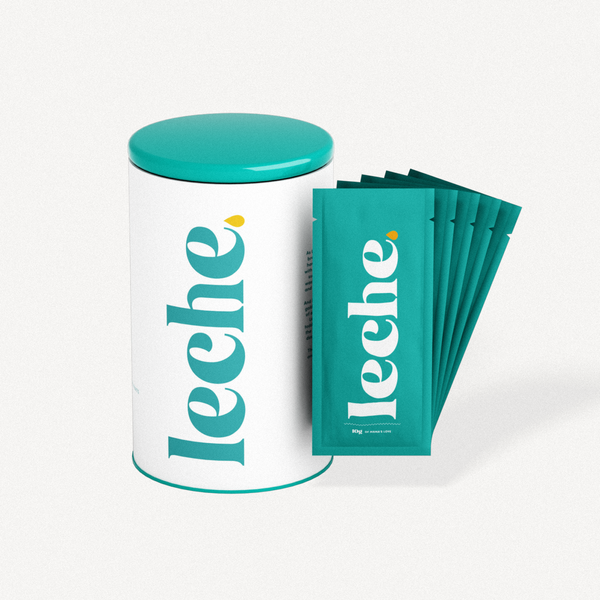
- Gently freeze-dries breast milk
- Preserves nutrients + bioactive compounds
- Helps stabilize taste and smell
So your milk (or donor milk) stays:
- Nourishing
- Usable
- Accepted by your baby
And here’s something many moms don’t realize…
If your baby won’t take your stored milk due to lipase:
💛 That milk can still help another baby
Through MilkDrop, many moms with high lipase milk choose to donate.
Because:
- The milk is still safe and high-quality
- Our process stabilizes it
- Another family can benefit from it
Instead of feeling like it’s going to waste—you have an option to:
- Turn it into something meaningful
- Support another parent
- Be part of the Leche community
Real-life paths forward
If you’re dealing with high lipase, here are your options:
- Use fresh milk when possible
- Use freeze-dried milk for storage + flexibility
- Supplement with donor milk when needed
- Donate your stored milk through MilkDrop
There’s no single “right” answer—just what works for you.
The bottom line
High lipase milk isn’t a failure. It’s just a different starting point.
With the right tools, you can:
- Keep using your milk
- Reduce waste
- Support your baby (and even others)
At It's My Leche, we’re here to help you make that shift—easily and confidently.
Explore your options
💛 Ready to take the next step?
- Learn about donating through MilkDrop
- Shop powdered donor milk
- Explore more feeding + storage resources on our blog
keep reading