

bioavailability matters: what babies actually use from breast milk
If you’ve ever stood in the formula aisle or Googled “best feeding options,” you’ve probably seen a lot of claims about nutrients, ingredients, and “closest to breast milk.”
And it’s true, modern formula has come a long way. But here’s the part that doesn’t get talked about enough. It’s not just what’s in the milk. It’s what your baby can actually use.
That’s where something called bioavailability comes in and it’s one of the biggest reasons human milk is so unique.
what is bioavailability (and why does it matter for babies)?
Bioavailability = how much of a nutrient your baby’s body can actually absorb and use. Two feeding options can look similar on a label—but work very differently inside your baby’s body.
Think of it like this:
- One delivers nutrients your baby can immediately use
- The other delivers nutrients that are harder to access
For growing babies (especially in those early months) that difference really matters.
iron: it’s not about how much, it’s about how it’s absorbed
Iron is essential for:
- Brain development
- Oxygen transport
- Healthy growth
Both breast milk and formula contain iron—but they work very differently.
- Babies absorb up to 50% of iron from human milk
- From formula, absorption is closer to 4–12%
Why?
Because in breast milk, iron is paired with lactoferrin, a natural protein that helps the body absorb and use it efficiently.
Formula uses added iron (like ferrous sulfate), which is harder for tiny digestive systems to process.
More iron in the bottle doesn’t always mean more iron in your baby.
👉 Learn more about how we preserve these nutrients in Leche freeze-drying process
HMOs: the gut health advantage
Human milk contains something pretty incredible: Human Milk Oligosaccharides (HMOs). These are specialized sugars that:
- Feed good gut bacteria
- Support immune development
- Help protect against harmful pathogens
Breast milk naturally contains 200+ types of HMOs. Most formulas include 2–5 synthetic versions.
That difference shapes your baby’s:
- Gut microbiome
- Immune resilience
- Digestive health
And it’s one of the reasons breast milk is often described as “programming the gut.”
immune support: built-in protection from day one
Breast milk doesn’t just nourish, it protects. Some of its most powerful components include:
Secretory IgA (sIgA)
- Coats your baby’s gut
- Helps block germs from attaching
Lactoferrin
- Fights bacteria and viruses
- Helps with iron absorption
These aren’t small extras...they’re core to how babies build their immune systems early on.
And they begin working from the very first feed.
a living system (not just nutrition)
Here’s something that makes human milk truly different: It’s alive.
Breast milk contains:
- Growth factors that support organ and gut development
- MicroRNAs that help regulate gene expression
- Stem cells with regenerative potential
This means feeding isn’t just about calories, it’s about signaling, development, and communication inside your baby’s body.
easier digestion (because it’s made for babies)
Breast milk is designed specifically for newborn digestion:
- Higher whey protein → softer, easier-to-digest curds (learn more about protein in breast milk)
- Faster gastric emptying
- Less strain on immature digestive systems
Formula (especially cow’s milk-based) tends to be:
- Higher in casein
- Slower to digest
- Sometimes associated with more gas or discomfort
Every baby is different—but many parents notice this difference quickly.
where leche fits in
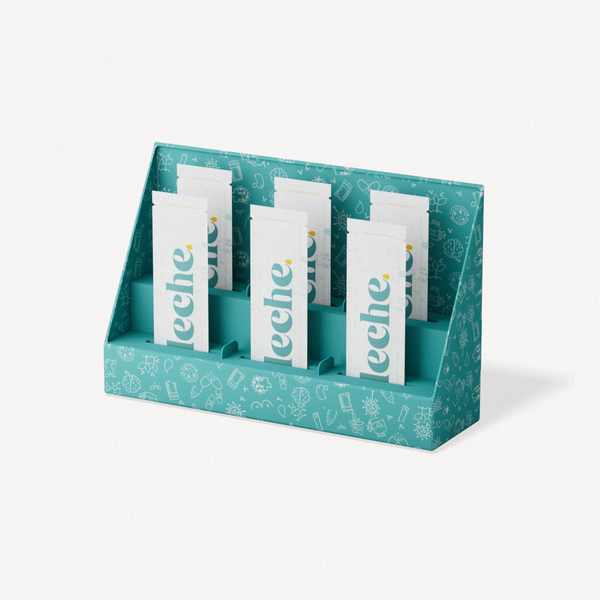
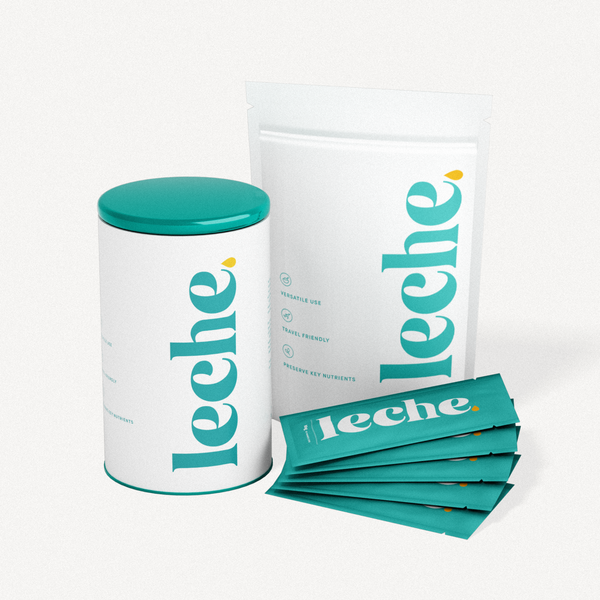
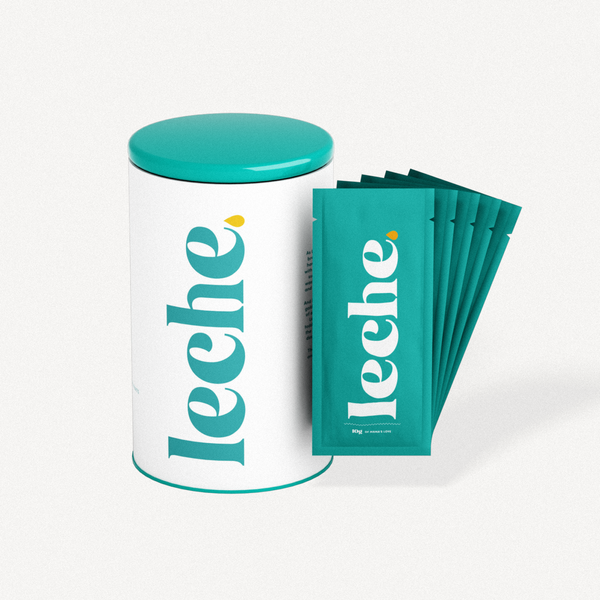
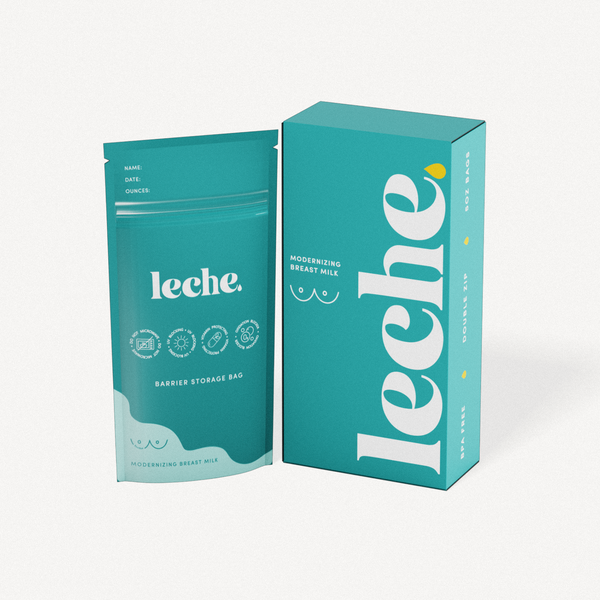
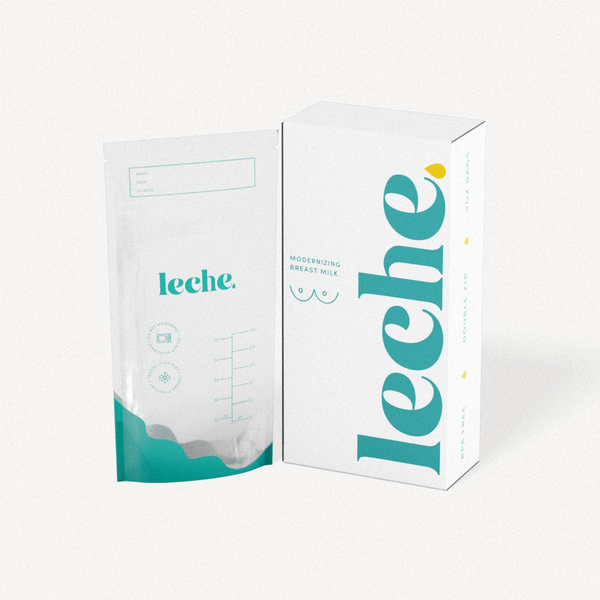
At Leche, we’re not trying to recreate breast milk. We’re preserving it.
Our process includes:
- Carefully screened donor milk (learn more about our Milkdrop donor program)
- Pasteurization to ensure safety
- Freeze-drying technology to maintain nutrients while making it shelf-stable
The goal is simple: Give families access to real human milk—when breastfeeding alone isn’t possible, sufficient, or the path they choose.
We’re here to support:
- Combo feeding
- Supplementing
- Travel and flexibility
- Modern feeding journeys
Because feeding isn’t one-size-fits-all.
the bottom line
Formula plays an important role for many families. It provides a safe, regulated option when it’s needed. But breast milk is something different. It’s not just nutrition—it’s a biological system designed specifically for babies.
And that shows up in:
- Nutrient absorption
- Immune protection
- Gut health
- Developmental signaling
At Leche, we simply make that system more accessible.
💛 explore your options 💛
Ready to learn more about flexible feeding?
- Shop human milk options
- Explore donor milk opportunities through Milkdrop
keep reading


