
how we turn donor breast milk into your baby’s next feeding
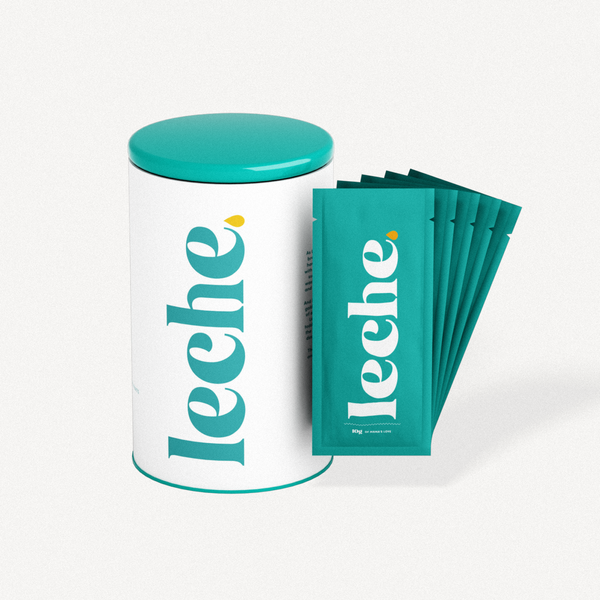
If you’ve ever wondered: “How does Leche's donor breast milk actually become that little sachet?” You’re not alone. Because when it comes to your baby, you want to know:
- Where it came from
- How it was handled
- And that every step was done right
At It's My Leche, we’ve built a process that’s both:
👉 deeply scientific
👉 and designed for real-life trust
Here’s exactly how it works.
step 1: it starts with a mom
Every sachet begins with a donor through Leche's donor program, MilkDrop. Before donating, every mom completes:
- Health + lifestyle screening
- Blood testing (HIV, Hep B & C, HTLV, STIs)
- Drug screening (8-panel)
- Nicotine + alcohol testing
Only fully-qualified donors are approved. From there, milk is shipped frozen to our facility using our proprietary temperature-controlled packaging.
step 2: we test the milk before anything happens
Before we even think about processing, every donor kit is tested. We check for:
- Bacterial levels (APC)
- Contaminants like E. coli
- Bacillus cereus (a key safety marker)
- Nutritional composition (fat, protein, carbs via a Miris analyzer)
If it doesn’t meet our standards? It doesn’t move forward. No exceptions.
step 3: gentle pasteurization (the gold standard)
Next, we use holder vat pasteurization. This is the same method trusted by human milk banks. Why it matters:
- Eliminates harmful bacteria + viruses
- Preserves important components like:
- Antibodies (sIgA)
- Lactoferrin
- HMOs (prebiotics)
- Growth factors
Some processes use higher heat that can strip away more of what makes breast milk special. We’ve chosen balance: Safety + preservation, not one at the expense of the other.
step 4: independent third-party testing
After pasteurization, we add another layer of protection: Every lot is sent to independent labs to test for:
- Salmonella
- Cronobacter (a key concern in infant products)
Nothing moves forward until it passes. Because for us, safety isn’t internal—it’s verified.
step 5: freeze-drying (what makes Leche different)
This is where things get really unique. Instead of high-heat drying (like formula), we use freeze-drying.
This process:
- Removes water at low temperatures
- Preserves nutrients + bioactive compounds
- Creates a powder that’s:
- Shelf-stable
- Easy to use
- Ready in seconds
The result? Real human milk—just made more flexible.
step 6: packaging + final review
Once freeze-dried, the milk is:
- Milled into a fine powder
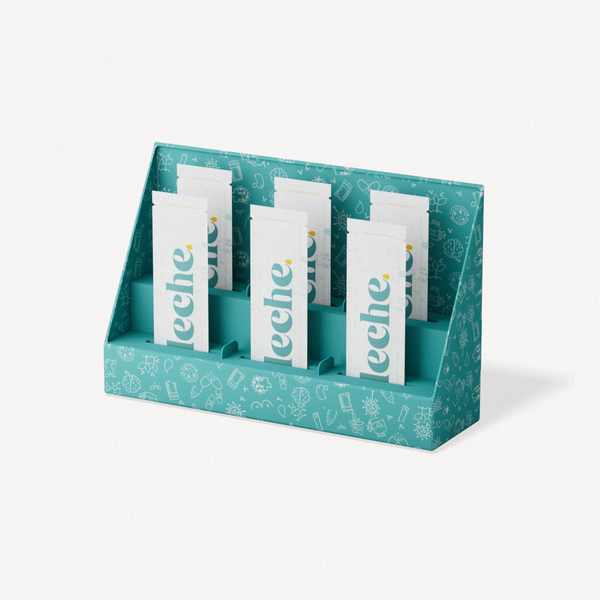
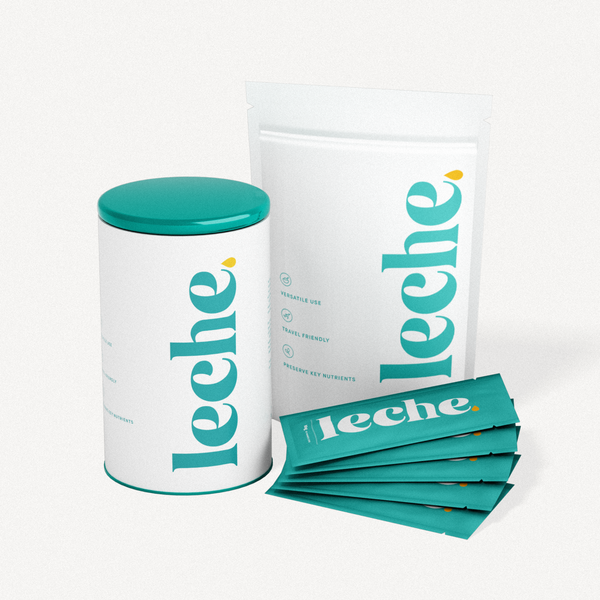
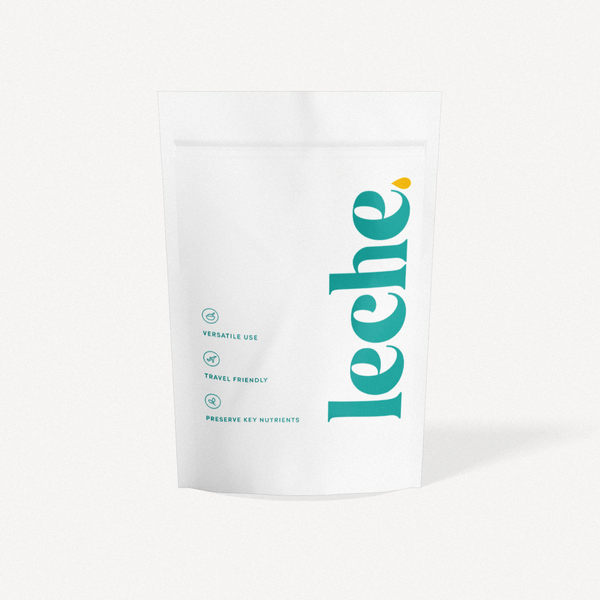
- Packaged into individual sachets
- Fully traceable by lot
Before anything ships, each lot goes through a final safety review
The entire process takes about two weeks, because we don’t rush something this important.
why this process matters
There’s a difference between:
- “Safe enough”
- And built-for-babies safe
We live in that difference. Every step exists to:
- Protect your baby
- Preserve what makes breast milk unique
- Give you confidence in what you’re feeding
We chose:
- Gentle pasteurization (to protect nutrients)
- Independent testing (to confirm safety)
- In-house production (to stay accountable)
Because your baby deserves nothing less.
what this means for your feeding journey
Whether you’re:
- Supplementing
- Combo feeding
- Traveling
- Planning ahead
Leche makes it possible to:
👉 Access real human milk
👉 In a format that actually works for your life
No thawing. No stress. No compromise on what matters.
the bottom line
Behind every sachet is:
- A screened donor
- Multiple layers of testing
- Careful processing
- Independent verification
And a team that treats your baby’s milk with the same care you would. That’s the standard at Leche.
explore more
💛 Want to learn more or get started?
- Shop human milk options at It's My Leche
- Explore donor access through MilkDrop
keep reading


