
Breast Milk: Your Baby’s First Microbial Blueprint
When your baby is born, their gut is basically starting from scratch.
Not broken. Not behind. Just… brand new.
And from the very first feeding, something incredible starts to happen:
Breast milk begins building your baby’s microbiome.
Not just feeding them, shaping the entire ecosystem inside their body that will influence:
- Immunity
- Digestion
- Brain development
- Long-term health
It’s one of the most powerful (and least talked about) parts of human milk.
What is the “microbial blueprint”?
Think of your baby’s gut like a brand new garden. Breast milk doesn’t just provide nutrients—it:
- Plants the seeds (beneficial bacteria)
- Feeds them (prebiotics like HMOs)
- Protects the environment so they can grow
From day one, breast milk introduces beneficial bacteria like Bifidobacteria—the “good guys” that help build a healthy gut.
At the same time, it delivers the exact nutrients those bacteria need to thrive.
HMOs: feeding the good bacteria (not the baby)
One of the coolest parts? Some of the most important components in breast milk aren’t even meant for your baby directly.
They’re meant for the microbiome. Human Milk Oligosaccharides (HMOs):
- Are the third largest component of breast milk
- Pass through your baby undigested
- Feed beneficial bacteria like Bifidobacterium infantis
And they do even more:
- Act as decoys to block harmful bacteria from attaching to the gut
- Help regulate inflammation
- Support immune development
Breast milk naturally contains 200+ HMOs. Most formulas include just a few synthetic versions, which can’t fully replicate the diversity found in human milk.
Building a strong gut + immune system (at the same time)
Your baby’s gut lining is still developing in those early months.
And that matters, because it’s responsible for:
- Keeping harmful substances out
- Letting nutrients in
- Supporting immune function
Breast milk helps strengthen this system in a few key ways:
sIgA (secretory IgA)
- Coats the gut lining
- Helps block pathogens
Lactoferrin
- Fights bacteria and viruses
- Supports gut health
Growth factors
- Help “seal” the gut lining
- Support healthy development
Fun fact: 70–80% of the immune system lives in the gut.
So when we talk about feeding, we’re also talking about immune training.
Why this matters beyond the newborn phase
Here’s where it gets really interesting:
The microbiome built in the first few months doesn’t just stay in infancy.
It can influence:
- Allergy risk
- Asthma
- Metabolic health
- Even conditions like type 1 diabetes
In other words: Early feeding helps set the tone for long-term health.
And remember: it’s not all-or-nothing 💛
If you’ve read our post on “every drop counts,” you already know this:
👉 You don’t need to exclusively breastfeed to support your baby’s microbiome.
Even small amounts of human milk:
- Introduce beneficial bacteria
- Feed the gut
- Support immune development
Consistency helps—but any exposure still matters.
Where It's My Leche fits in
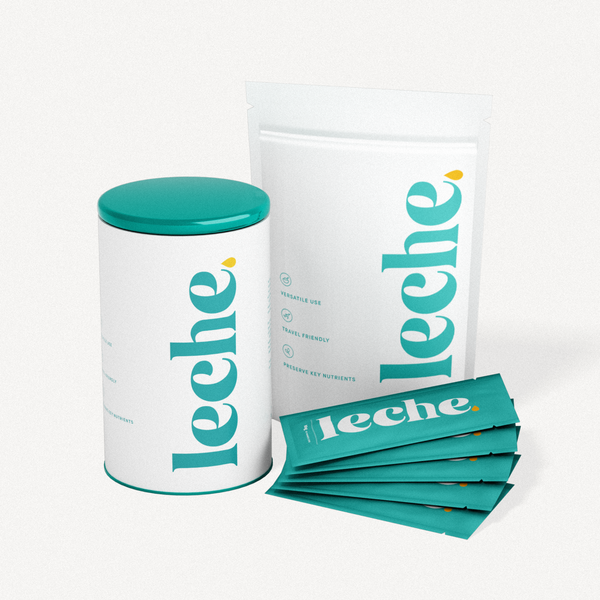
This is exactly why Leche focuses on preserving—not recreating—breast milk. We help make those microbiome-building benefits more accessible by offering:
- Donor human milk through MilkDrop
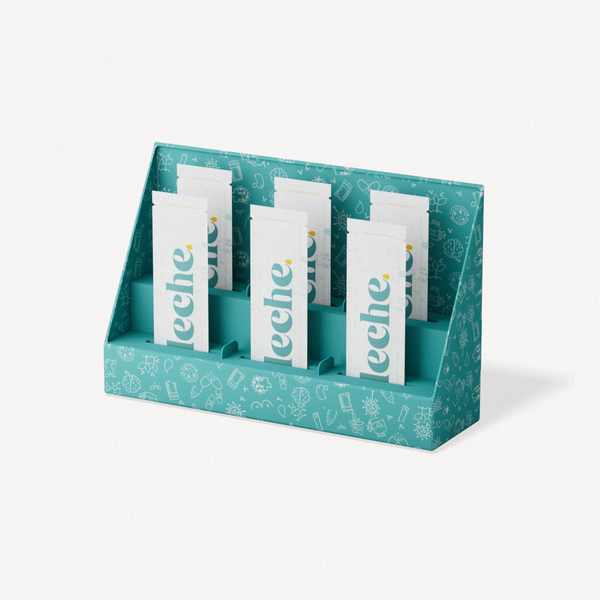
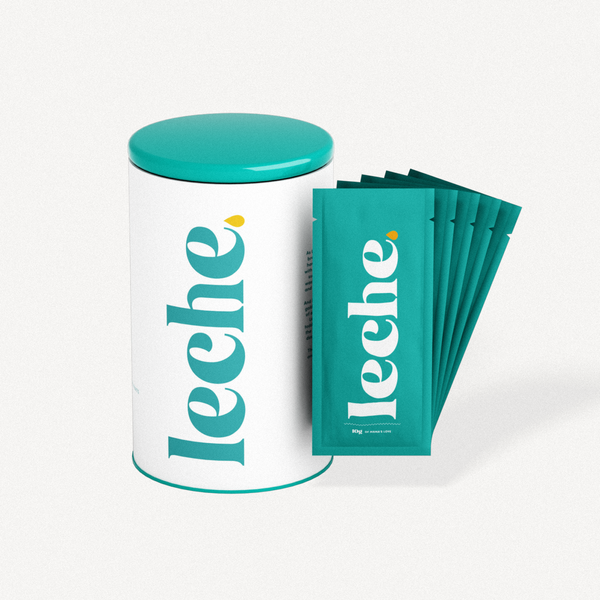
- Shelf-stable sachets you can use anytime
- Flexible supplementation (daily or occasional)
Our process:
- Uses pasteurization for safety
- Followed by gentle freeze-drying to maintain key components like HMOs and immune factors
So even when feeding isn’t straightforward, your baby can still receive:
Real human milk. Real biological benefits.
The bottom line
Breast milk does something formula can’t fully replicate:
It builds your baby’s microbiome from the ground up.
It seeds.
It feeds.
It protects.
And it helps create a foundation that supports your baby not just today—but long term.
Whether you’re:
- Exclusively breastfeeding
- Combo feeding
- Supplementing when you can
You’re still shaping your baby’s internal ecosystem in meaningful ways.
And that matters.
Explore flexible feeding options
💛 Want to support your baby’s gut health with real human milk?
keep reading


